(Based on the book by Marc Milstein, PhD)
Keeping your brain sharp isn’t just about puzzles or brain games. In The Age-Proof Brain, neuroscientist Marc Milstein, PhD, reveals that lasting cognitive health is driven by your daily choices—not your birthdate. Brain aging is not inevitable. In fact, your brain’s biological age can be younger (or older) than your actual age depending on how you sleep, eat, move, and think.
Why Do Our Brains Age?
Milstein emphasizes that the brain doesn’t age simply due to time. Lifestyle factors—such as poor sleep, cardiovascular disease, and gut inflammation—play a major role. These influences can lead to the accumulation of “brain trash,” such as amyloid plaques and tau tangles, both of which are strongly linked to Alzheimer’s.
Sleep is key to clearing out this trash. Poor cardiovascular health reduces oxygen to the brain and increases the risk of dementia. Gut health matters, too—imbalances in the microbiome can trigger inflammation and compromise the brain through the vagus nerve and immune system.
The bottom line: your brain and body are deeply connected. To keep your cognition intact, you need to care for both.
4 Science-Backed Strategies to Age-Proof Your Brain
1. Prioritize Sleep Quality
Milstein calls sleep your brain’s “best friend.” It clears toxins, supports memory, strengthens immunity, and reduces depression risk.
Tips to improve sleep:
- Sleep in full darkness—light disrupts your circadian rhythm.
- Get outside during the day—natural light helps regulate sleep cycles.
- Keep a notepad by your bed—jotting down worries helps your brain relax.
2. Exercise Regularly
Exercise is one of the most powerful tools for brain health. It increases blood flow, reduces inflammation, and supports neuroplasticity.
Milstein’s recommendations:
- Aim for 120 minutes of moderate exercise per week (e.g., brisk walking, dancing).
- Daily 30-minute walks significantly reduce dementia risk.
- Living in walkable neighborhoods is linked to longer life and healthier brains.
3. Eat for Cognitive Health
What you eat directly impacts your mood, memory, and immune system.
Add:
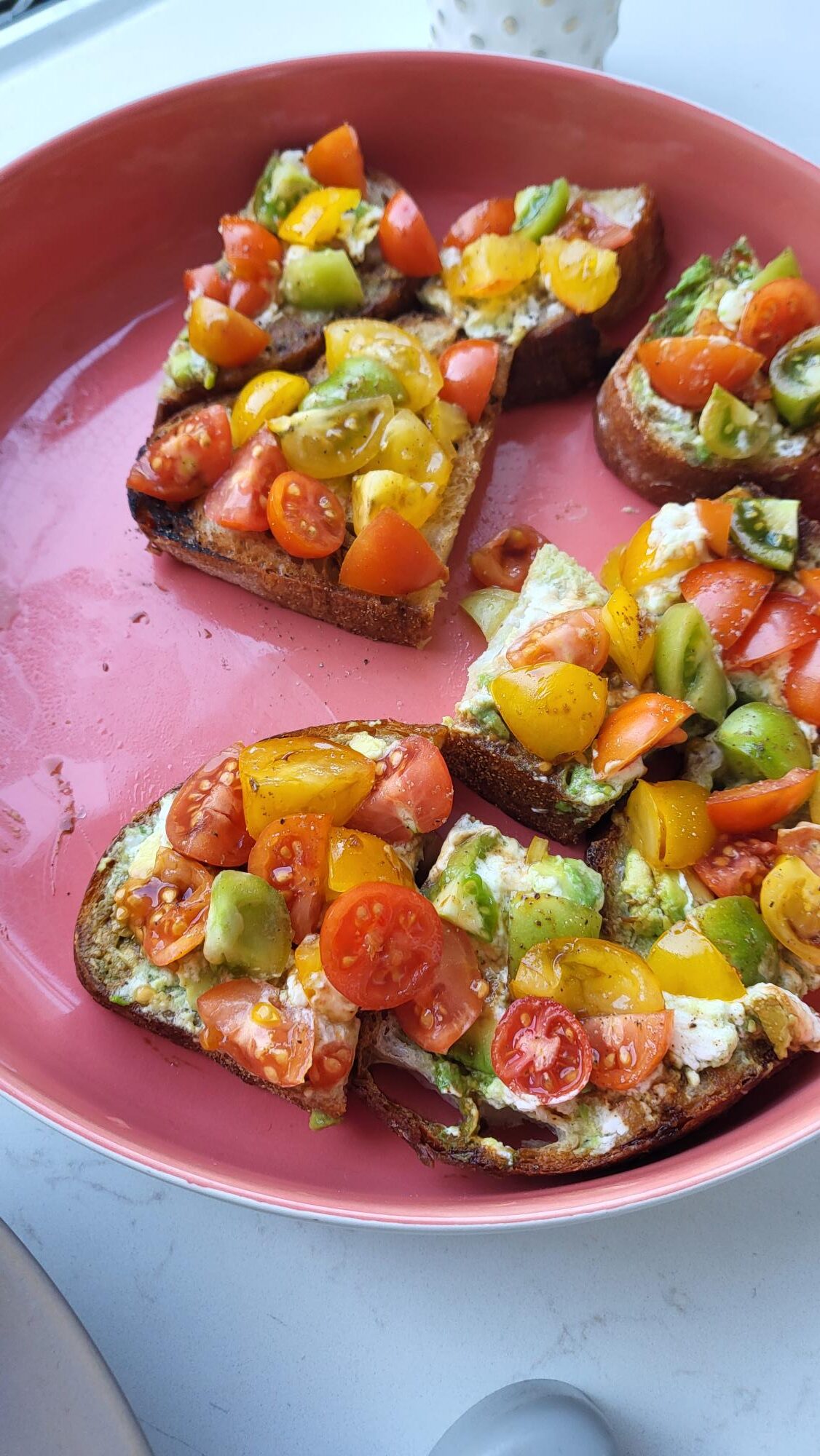
- Omega-3-rich fish (salmon, sardines), avocados, chia seeds
- Vitamin C foods: kiwi, bell peppers, broccoli
- Prebiotics: bananas, legumes, tomatoes
Avoid:
- Excess sugar (watch for hidden names like dextrose or fructose)
- Preservatives and artificial additives (they fuel inflammation)
- High-sodium packaged foods
Quick check: Does your grocery basket spoil quickly (good)? Is it full of colours (great)? Are there too many ingredients (bad sign)?
4. Challenge Your Brain
Your brain thrives on novelty. Learning new skills creates fresh neural connections that improve memory and processing speed.
How to train your brain:
- Read, take courses, learn languages or instruments.
- Use memory tools: rhymes, drawings, movement, or emotional associations.
- Balance deep focus with breaks—walk, meditate, or wash dishes to stimulate creativity.
Final Thought
Cognitive decline isn’t just genetic—it’s behavioral. By improving sleep, moving regularly, eating wisely, and learning continuously, you can keep your brain youthful and resilient. As Milstein makes clear, age-proofing your brain is about mastering daily basics—not chasing silver bullets.