
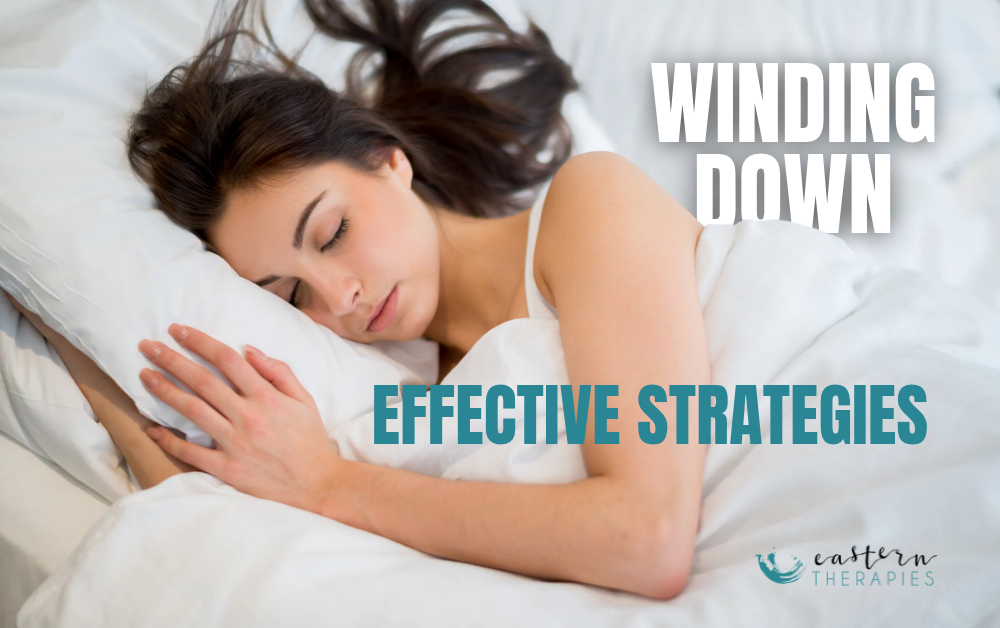
Think of your nervous system like a car engine. You wouldn’t switch it off at 100 km/h. It needs time to slow down first. An evening routine is that slowing-down phase, and starting at the same time each night also helps your body clock know when sleep is coming.
Many people find that a steady routine supports more refreshed mornings and steadier energy through the day.
What is a night-time wind down routine?
It is a predictable sequence of activities, usually 30–60 minutes long, that cues your brain and body that it is time to sleep. The aim is to move from the sympathetic “fight or flight” state to the parasympathetic “rest and digest” state.
1. Avoid heated discussions before bed
Arguments and tense conversations can activate the stress response, releasing cortisol and adrenaline. That is the “tired but wired” feeling, where your body is exhausted but your mind stays switched on. If a difficult topic needs discussing, consider leaving it until the next day.
2. Try gentle yoga to calm the nervous system
Slow, gentle yoga paired with long, deep breaths is often used to encourage the shift into parasympathetic mode. It may help ease physical tension and lower heart rate, and slow breathing sends the body a simple message: you are safe.
3. Eat for steady blood sugar at dinner
A dinner that includes protein, healthy fats, slow-release carbohydrates and fibre may help keep blood sugar steadier overnight. Protein foods such as chicken, fish, eggs and turkey contain tryptophan, an amino acid your body uses to make melatonin, the hormone involved in your sleep-wake cycle.
4. Go easy on sugar late at night
After a stressful day, comfort food is tempting. However, a large hit of sugar close to bedtime can cause a blood sugar spike followed by a drop, which may prompt the body to release cortisol and adrenaline and leave you feeling alert when you want to wind down. A warm herbal tea or a small protein-based snack is a gentler option.
Frequently asked questions
How long should a wind down routine be? Most people aim for 30–60 minutes. Consistency matters more than length, so start at the same time each night.
What is the best thing to do before bed to relax? Gentle yoga, slow breathing, dimmer lights and avoiding stressful conversations are common choices. Individual needs vary.
Can food affect sleep? Evening meals and snacks can influence blood sugar and hormones involved in sleep and stress. A balanced dinner is often a good starting point.Support for your evening routine
If sleep, stress or nutrition are on your mind, Anastasia Zafiropoulos, Naturopath at Eastern Therapies in Bondi Junction, can discuss ways to support your nervous system as part of a broader care plan. Individual results vary.
This article is general information only and is not a substitute for individual health advice.
Please speak with a qualified health practitioner about your situation.