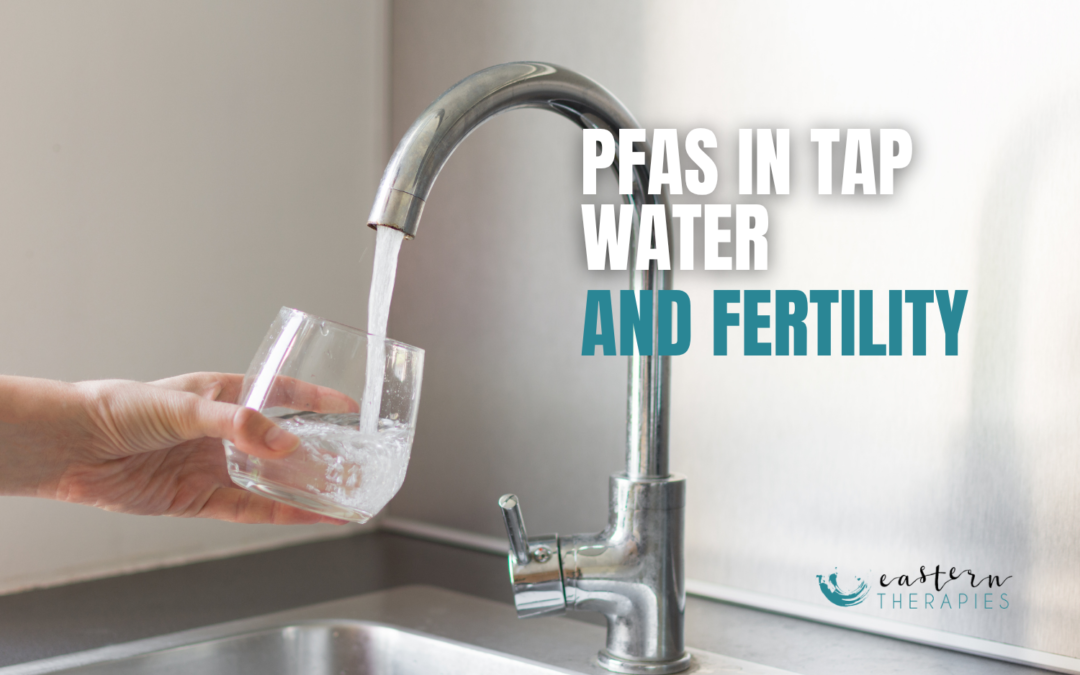
Quick answer: A University of Adelaide study (April 2026) ( Click link here: Facebook ) found that low-level PFAS exposure — even at levels currently considered safe in Australian tap water — was associated with changes in embryo development and egg quality. The research doesn’t suggest tap water is unsafe, but it does support reducing unnecessary chemical load during preconception as one sensible step.
If you’re trying to conceive, you’ve probably already cut back on alcohol, started a prenatal vitamin, and maybe looked at your stress levels. But there’s a less obvious factor that’s recently made headlines — and it’s coming out of your tap.
What Did the University of Adelaide Study Find?
The study, covered by 7News in April 2026, examined PFAS — per- and fluoroalkyl substances, often called “forever chemicals” — at levels currently considered safe in Australian tap water.
After just four weeks of low-level PFAS exposure, researchers observed reduced cell function, DNA changes, and shifts in embryo viability. By six months, there were measurable reductions in foetal weight. Some effects appeared to carry through to subsequent generations.
What Are PFAS, and Where Do They Come From?
PFAS are synthetic chemicals used in:
- Non-stick cookware
- Food packaging (takeaway containers, fast food wrappers)
- Stain-resistant fabrics and carpets
- Firefighting foam
Because they don’t break down easily, PFAS accumulate in the body over time and have been detected in tap water supplies across Australia.
Does This Mean Tap Water Is Unsafe?
No. The research doesn’t suggest tap water is unsafe, or that PFAS exposure will prevent pregnancy. What it does suggest is that reducing unnecessary chemical load during preconception may be a reasonable, supportive step — particularly for those already focused on egg quality and embryo health.
How Can I Reduce PFAS Exposure Before Pregnancy?
A few practical, low-cost steps worth discussing with your treating team:
- Use a carbon-block water filter — research suggests this can reduce PFAS levels in drinking water significantly
- Reduce reliance on non-stick cookware, especially older or scratched pans
- Limit PFAS-treated food packaging where practical
These are small adjustments, not a complete lifestyle overhaul.
Can Acupuncture or Chinese Medicine Support Preconception Health?
Acupuncture and Chinese medicine are often used as adjunctive, supportive care alongside conventional fertility treatment — not as a replacement for medical advice. At Eastern Therapies, preconception support looks at the full picture: nervous system regulation, hormonal balance, and lifestyle factors that may support egg quality and overall reproductive wellbeing.
Frequently Asked Questions
Is PFAS in Australian tap water at unsafe levels?
Current levels are considered safe under existing guidelines. The University of Adelaide research raises questions about whether “safe” thresholds fully account for reproductive effects, but it doesn’t establish that tap water is unsafe to drink.
What is PFAS?
PFAS (per- and fluoroalkyl substances) are synthetic “forever chemicals” used in non-stick cookware, food packaging, and water-resistant fabrics. They accumulate in the body over time.
Does a water filter remove PFAS?
Carbon-block filters are commonly cited as effective at reducing PFAS levels in drinking water, though no filter removes 100% of contaminants.
Should I be worried about my fertility because of tap water?
This research is one data point, not a reason for alarm. A whole-person approach to preconception health — combining lifestyle adjustments with professional support — is generally more useful than focusing on a single factor.
If fertility is part of your health journey right now, it’s worth having a conversation about what a supportive preconception plan could look like for you.